Interior Plant Design Services Chicago: What to Expect From Your First Consultation

Your first consultation for interior plant design services covers what to expect, why it matters, and how it sets your project up for success. Whether you manage a high-rise office in the Loop, a boutique hotel in River North, or a corporate campus in the western suburbs, understanding the process helps you make confident decisions before a single plant enters your space.
What Happens During a Site Assessment?
A site assessment is the foundation of any successful interior plant design project. A designer visits your space to evaluate layout, ceiling heights, foot traffic patterns, and available floor area. In Chicago's Loop and West Loop, where renovated historic buildings combine exposed concrete with glass curtain walls, this may also flag where planters need to work around structural columns or tight corridor widths.
Lighting and HVAC Analysis
Lighting conditions directly shape which plants can thrive in a given location. Designers measure natural light exposure in each zone and note whether supplemental grow lighting may be needed, especially during Chicago's shorter winter days. HVAC proximity matters too, since vents pushing cold or dry air can stress tropical species, so placement decisions are made with climate control in mind.
Style and Brand Alignment
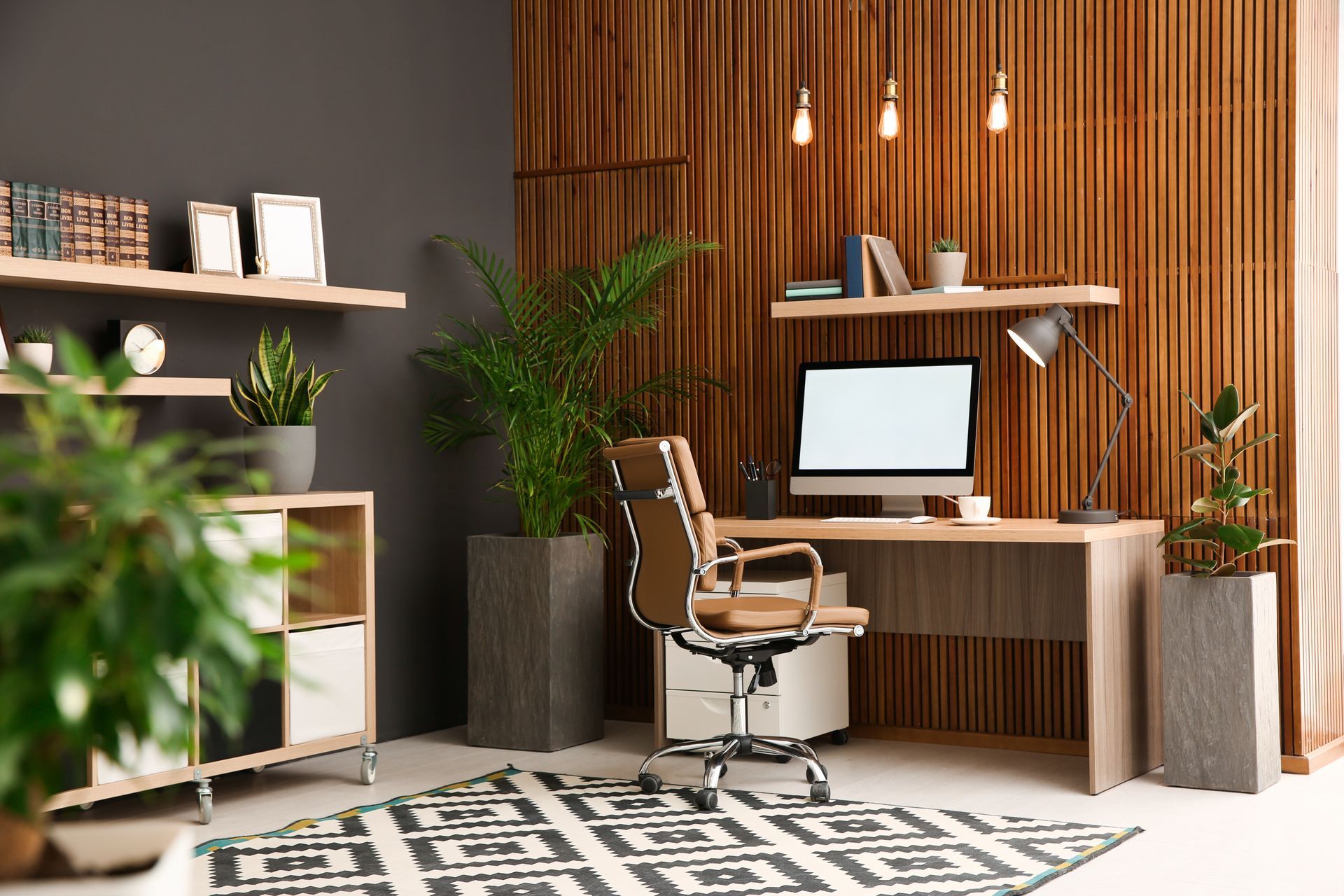
Plant selection is rarely just about biology. A designer will ask about your brand identity, color palette, existing furniture, and the impression you want clients or employees to feel walking in. A law firm on Wacker Drive may want structured, low-maintenance plants like Dracaena or ZZ plants, while a creative studio may lean toward lush, layered arrangements with trailing plants and varied textures. Choosing the right interior plant design services partner early ensures aesthetic decisions align with long-term maintenance realities.
How Do Living Walls Fit Into Interior Plant Design Services?
Living walls are vertical structures filled with live plants and are increasingly popular in Chicago commercial interiors. They can support WELL, LEED, and FitWel certification goals, making them a practical choice for property managers pursuing sustainability benchmarks. During a consultation, a designer will assess wall load, irrigation access, and lighting to determine feasibility, often working alongside architects before construction finalizes.
Design Versus Rental: Understanding the Difference
A common first-consultation question is whether to purchase a designed installation or opt for a plant rental program. Design and installation means you own the plants and containers outright, with maintenance available as a separate service agreement. Rental programs bundle delivery, setup, plant replacement, and maintenance into a recurring arrangement, which works well for businesses that want consistent greenery without managing plant health in-house. Your consultation should clarify which model fits your budget and operational preferences.
Proposal, Timeline, and Next Steps
After the site visit, expect a detailed proposal including plant recommendations, container selections, placement visuals, and a maintenance outline. This stage helps you compare options and set realistic expectations around scope and cost. Once you approve the plan, installation timelines vary based on project complexity and plant sourcing, though local greenhouse access can often shorten lead times. A second consultation to review the proposal in person is also common before work begins.
Serving Chicago, IL, Interior Tropical Gardens brings more than 35 years of experience to commercial and residential interior plant design. Contact the team at (866) 427-5268 to request your complimentary on-site consultation, explore our full range of plant design services, or reach out through the contact page to get started. You can also find Interior Tropical Gardens and review us on Google.