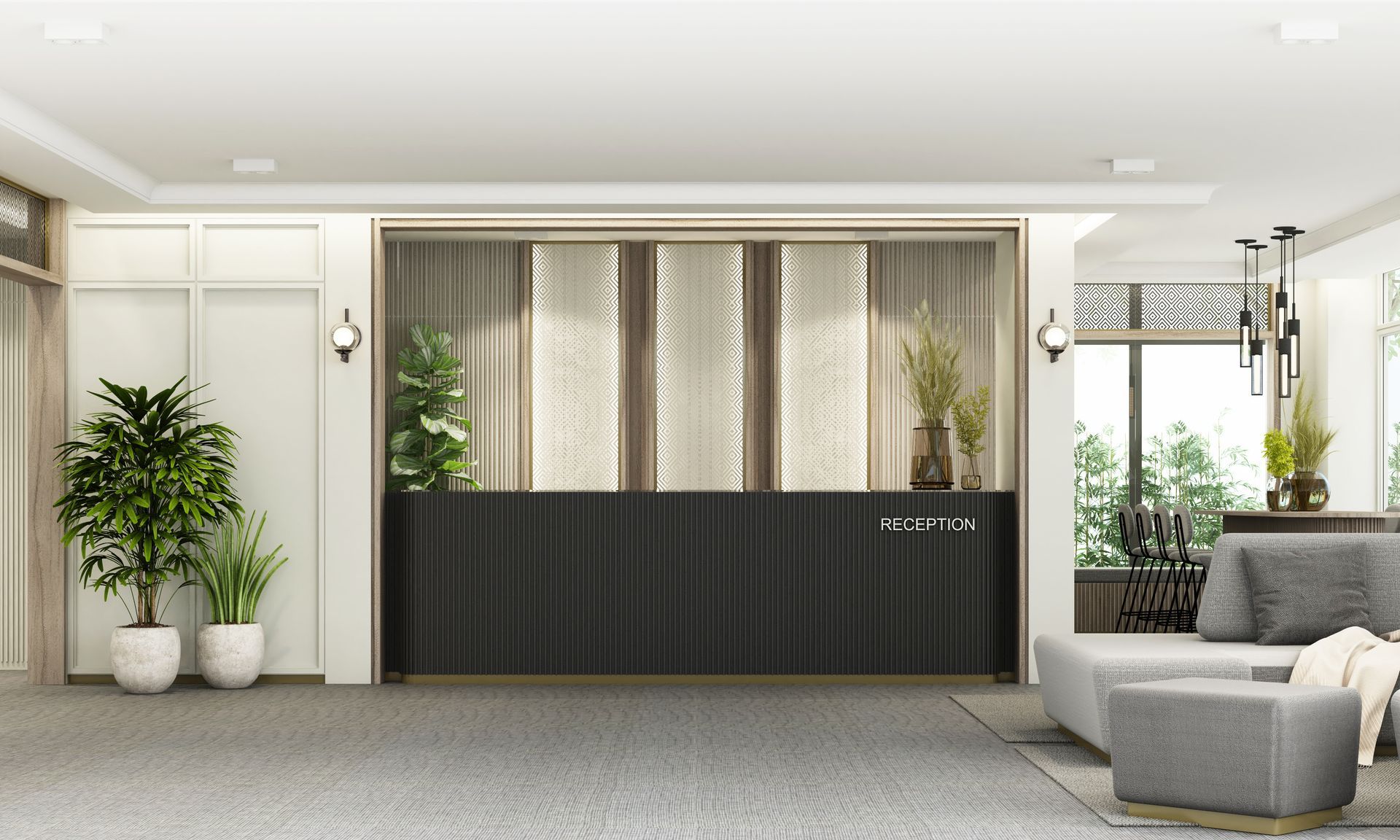
What to Expect From Residential Interior Plant Services in Chicago: A Design Consultation Guide
Knowing what to expect from residential interior plant services before your first consultation can save time and help you get better results. This guide is written for Chicago, IL, homeowners, condo residents, and renters who want professional greenery in their living spaces but are not sure where to start. Whether you live in a sun-drenched Gold Coast high-rise or a north-facing Lincoln Park condo, the process follows a clear and manageable path.
How a Home Plant Design Consultation Works
A home plant design consultation is a structured conversation about your space, your lifestyle, and your goals. A designer visits your home, assesses the environment, and gathers the details needed to build a custom plant plan. For residential interior plant services in Chicago, IL, that visit typically lasts between 30 minutes and an hour, depending on the size of your home and how many rooms you want to address.
During the visit, the designer will walk through each area with you, noting window placement, window direction, ceiling heights, existing furniture, and your overall style. They may ask how much time you realistically want to spend on plant care. All of that shapes the proposal that follows, which typically arrives within a few days and outlines plant selections, container options, placement recommendations, and available service arrangements.
Assessing Light and Space in Chicago Homes and Condos
Light assessment is the foundation of every good plant plan. High-rise condos in River North and the West Loop often have floor-to-ceiling glass with bright indirect light, but north-facing units in Lincoln Park or Andersonville can be significantly dimmer, especially during Chicago's long winters. As part of residential interior plant services, a designer will measure or estimate foot-candle levels in each area to determine which species can actually thrive rather than simply survive for a few months.
Chicago's dry indoor winters, driven by forced-air heating, also affect plant selection. Some tropical species tolerate that dryness well, while others need supplemental humidity. In compact condo layouts common to the Gold Coast or Streeterville, a good designer works with your existing floor plan, recommending appropriately sized specimens and containers that fit without overwhelming the room.
Plant Selection for Low-Light City Living
Low-light plant selection is one area where professional guidance pays off most. Anyone who has looked into residential interior plant services knows that many houseplants sold at garden centers need more light than a typical Chicago apartment provides, particularly in north-facing or shaded units.
Species that often perform well in lower-light Chicago interiors include pothos, ZZ plants, peace lilies, and certain dracaena varieties. For spaces with slightly more indirect light, philodendrons and aglaonemas can add color and texture without demanding direct sun. A qualified designer selects plants not just for appearance but for long-term viability in your specific environment. Container size, drainage setup, and material all affect how well plants hold up in a centrally heated home, and a professional accounts for these variables upfront.
For more on specific plant species, the Interior Plants Glossary is a useful starting point.
Maintenance Visit Frequency and Ongoing Care
Ongoing maintenance is one of the most valuable parts of residential interior plant services. A maintenance program involves scheduled visits from a trained technician who handles watering, pruning, fertilizing, and pest monitoring. Visit frequency depends on the plant types selected, the size of the installation, and conditions in your home.
Many Chicago condo and townhome clients opt for bi-weekly or monthly visits. This keeps plants healthy without requiring the homeowner to manage a detailed care routine. If your schedule is unpredictable or you travel often, a maintenance program may be the best way to protect your investment. Some arrangements also include plant replacement if a specimen declines beyond recovery.
Learn more at the Plant Maintenance page.
What Happens if a Plant Does Not Thrive?
A professional will assess the cause and replace the plant if needed. Common culprits include overwatering, low humidity, or insufficient winter light.
Is a Long-Term Contract Required for Residential Plant Services?
Arrangements vary. Some programs run month-to-month; others involve seasonal or annual agreements. Ask during your consultation before committing.
Can You Combine Plant Purchase and Maintenance?
Yes. You can own your plants outright while subscribing to a separate maintenance program. Your designer can explain both options.
What to Expect From Cost and Quoting
Residential plant services are priced based on project scope, number of plants, container selections, and the maintenance arrangement you choose. Pricing is quote-based, so the best way to understand your investment is to go through the consultation process first. A good provider will give you a detailed written proposal covering what is included, replacement policies, and how maintenance visit pricing works.
Ready to Bring Your Chicago Home to Life With Plants?
Interior Tropical Gardens serves Chicago, IL, and the surrounding Chicagoland area with residential interior plant services covering everything from initial design consultation through installation and ongoing maintenance. Whether you are outfitting a Gold Coast penthouse or a cozy River North studio, the team can build a plant plan around your space and lifestyle.
Call (866) 427-5268 to schedule your consultation, or get in touch online to share details about your space. You can also explore the team's work and read reviews at Interior Tropical Gardens.
Recent Posts
![Kitchen set in the apartment.]](https://irp.cdn-website.com/f18abd02/dms3rep/multi/opt/AdobeStock_1392024642-1920w.jpeg)