
What to Expect From Your First Interior Plant Design Consultation in Chicago (2026 Guide)
Your first interior plant design consultation in Chicago, IL, can feel unfamiliar if you don't know what to expect, and this guide walks you through every step so you can prepare with confidence. Whether you manage a River North office tower, run a boutique in Lincoln Park, or own a condo in the West Loop, Interior Plant Design Services can completely change how your space looks and feels. Knowing what happens before, during, and after the meeting helps you make smarter decisions.
What Happens During a Chicago Interior Plant Design Consultation
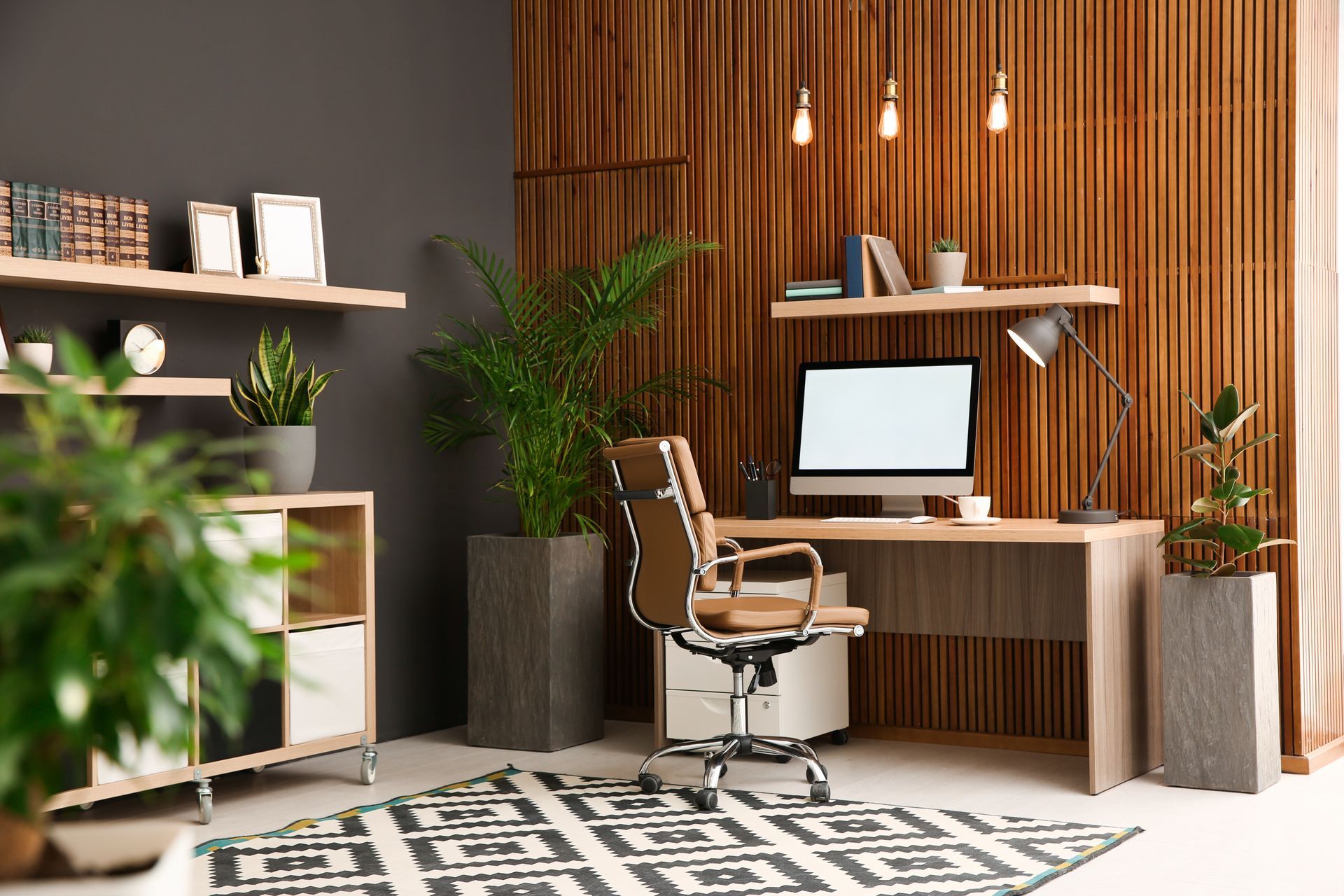
A design consultation is a structured site visit where a plant expert evaluates your space and listens to your goals. Chicago's built environment creates challenges that make this step especially important. Older Loop office buildings often have low-hanging drop ceilings and limited natural light. Newer construction in Fulton Market and the West Loop can feature floor-to-ceiling glass that introduces intense afternoon sun. A skilled designer reads those conditions before recommending a single plant.
Here is a general sequence of what the visit typically covers:
- A walkthrough of the space to measure dimensions and note traffic flow.
- A lighting assessment to identify bright, medium, and low-light zones.
- A discussion of your style preferences, brand colors, and any existing decor.
- A review of maintenance expectations, including how much care you want to handle.
- An overview of service options, including design and installation or ongoing plant rental.
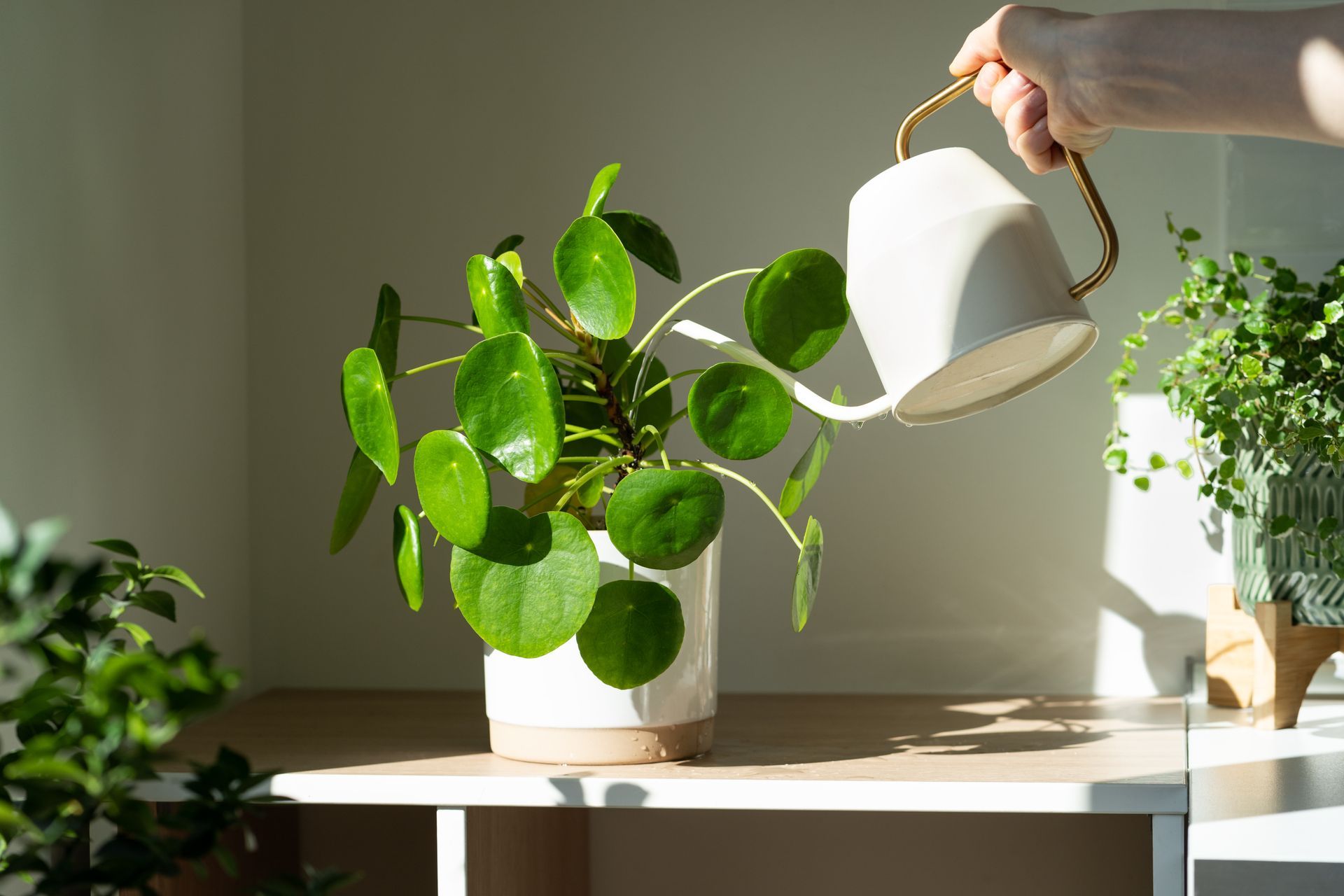
Chicago businesses often choose rental programs, which shift watering, pruning, and replacement responsibilities to the provider.
What Questions Should You Ask Your Designer?
Coming prepared with questions helps you get a proposal that truly fits your needs. Good questions to ask include:
- Which plant species perform well in Chicago's indoor winter climate, when heating systems dry the air significantly?
- How does the team handle plant replacements if something declines?
- What is the difference between a purchase arrangement and a rental program?
- How often will a technician visit for maintenance?
- Can the design support WELL Building or LEED certification goals?
Chicago's winters are long, and indoor humidity can drop sharply between November and March. A designer with local experience factors that seasonal stress into plant selection, something generalist vendors often miss.
How the Space Assessment Works
The space assessment is the technical core of any Interior Plant Design Services engagement, evaluating the variables that determine which plants will thrive in your environment.
Lighting Conditions
Light is the most important factor in plant selection. The designer notes window orientation and whether nearby buildings block sunlight. Chicago's density means a south-facing window on the third floor of a Streeterville building may get far less direct light than you'd expect.
Layout and Traffic Patterns
Plant placement must work with how people move through a space. Entryways, reception areas, conference rooms, and open-plan floors each call for different sizing. A statement planter in a Magnificent Mile lobby makes a different impact than desktop arrangements on a coworking floor.
Existing Infrastructure
Designers also check for nearby HVAC vents, which can dry out or chill plants, and for flooring materials that may be affected by irrigation. These details shape container choices and maintenance schedules.
What the Design Proposal Looks Like
After the site visit, most providers of Interior Plant Design Services send a written proposal. It usually includes plant species recommendations, container styles, placement diagrams, and a summary of service options. Some proposals include notes on how the design supports specific goals, such as biophilic design principles or air-quality improvements. Review it carefully and ask about anything unclear before you commit.
Choosing Between Rental and Purchase
Both options can work well, and the right choice depends on your budget structure and how much responsibility you want to manage.
Purchasing plants and containers gives you ownership from day one. It suits homeowners or businesses with staff who enjoy plant care. Rental programs, by contrast, typically include delivery, installation, regular maintenance visits, and plant replacements. For Chicago businesses with high foot traffic or stretched facilities teams, rental is often the more practical path.
What Is the Difference Between Plant Rental and Plant Purchase?
Rental means a provider supplies, installs, and maintains the plants for an ongoing fee, with replacements included. Purchase means you own the plants outright but are responsible for their care, unless you also arrange a separate maintenance program.
How Long Does the Consultation Process Usually Take?
An initial site visit typically lasts between 30 minutes and an hour, depending on the size and complexity of the space. The proposal may follow within a few days.
Are Interior Plant Design Services Available for Residential Spaces in Chicago?
Yes. Interior Plant Design Services in Chicago, IL, are available for both commercial and residential clients, including condos, townhomes, and private residences throughout the metro area.
Ready to Transform Your Chicago Space? Start Here.
Interior Tropical Gardens serves Chicago, IL, and the greater Chicagoland area with interior plant design services that cover everything from the initial consultation through installation and ongoing maintenance. Whether you are outfitting a corporate lobby on Michigan Avenue or refreshing a Lincoln Square apartment, the team can build a plant plan around your space, your style, and your schedule. Call (866) 427-5268 to schedule your free personal consultation, or reach out online to get started. You can also explore the team and read more about their work on Interior Tropical Gardens.
Recent Posts